
Public Safety & Facility Resilience
Giving First Responders a Critical Tactical Advantage
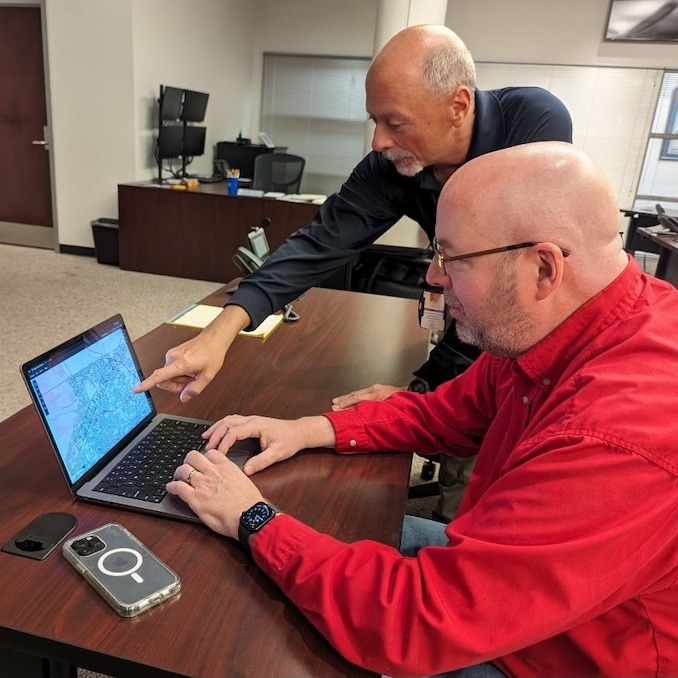
In an emergency, situational awareness saves lives. The APSU GIS Center provides advanced geospatial intelligence to support the full spectrum of public safety—from proactive, pre-incident facility planning that protects first responders, to rapid, post-disaster damage assessment that accelerates community recovery.
When Every Second Counts, Accurate Data is Everything
Public safety officials and facility managers face immense pressure during an emergency. First responders often enter complex buildings with little more than outdated blueprints, lacking critical knowledge of layouts, access points, and potential hazards. After a natural disaster, emergency managers must make rapid decisions about resource deployment with an incomplete picture of the damage on the ground. These information gaps create risk and can slow down an effective response.
From Pre-Incident Planning to Post-Disaster Response

3D Digital Twins for Critical Facilities
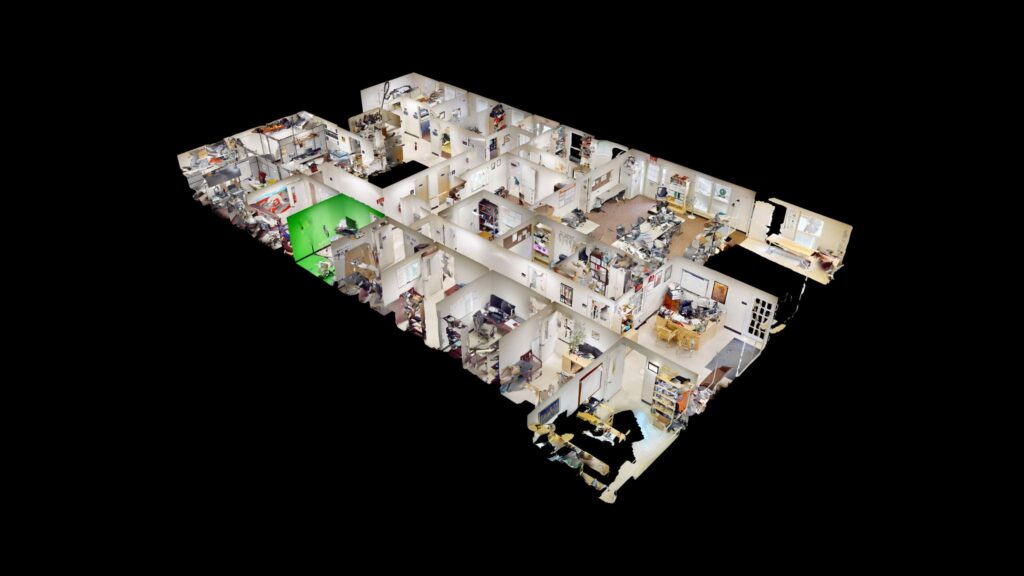
We use state-of-the-art Matterport 3D scanners and 360-degree cameras to create detailed, interactive “digital twins” of your critical infrastructure—schools, courthouses, and public venues. These models provide an unprecedented level of detail for:
Tactical Pre-Planning: Give police, fire, and EMS teams the ability to conduct virtual walkthroughs, plan entry routes, and identify key assets like utility shut-offs before an incident occurs.
Live Incident Command: Provide a common operational picture for commanders during an active event.
Facility Management: Use the detailed models for asset inventory, space management, and planning for renovations or preventive maintenance.

Rapid UAV (Drone) Damage Assessment
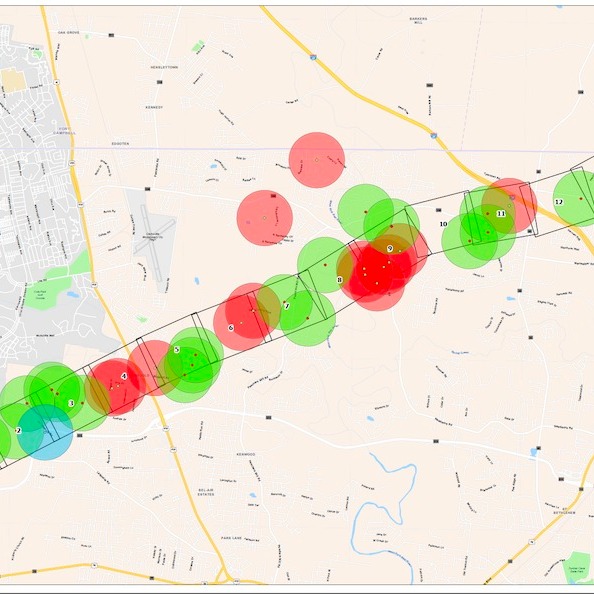
When a tornado, flood, or other disaster strikes, our team is ready to deploy. We use Unmanned Aerial Vehicles (UAVs) to quickly and safely collect high-resolution aerial imagery of affected areas. This data is critical for:
Rapid Situational Awareness: Quickly understand the scope and scale of damage to guide initial response efforts.
Debris Estimation: Accurately map and quantify debris fields to support cleanup operations and requests for federal reimbursement.
Infrastructure Assessment: Identify and map damage to roads, bridges, and utilities to prioritize repairs and restore services.
Experience Forged in Real-World Events
Our public safety expertise isn’t theoretical. The GIS Center has been on the ground assisting our community partners with disaster response since the 1999 Clarksville tornado. As a university-based center, we are a mission-driven, objective partner you can trust during a crisis. Our work not only serves your immediate needs but also provides our students with invaluable experience in applying GIS to life-saving public safety missions, creating a stronger, more resilient community for everyone.
Case Study
Enhancing Campus Safety at Austin Peay
To enhance the safety of our own community, the GIS Center has undertaken a project to create detailed 3D digital twins of buildings on the APSU campus. This provides local first responders with interactive, digital access to our facilities, ensuring they have the best possible information to respond to any emergency on campus. This project serves as a powerful model for how we can help protect your community’s critical facilities.
Strengthen Your Community’s Preparedness and Resilience
Don’t wait for the next emergency. Contact us today to schedule a consultation and learn how our integrated public safety solutions can be incorporated into your emergency response and facility management plans.